

FAA Form 8130-3
Either a production release for a new article, or a return to service after maintenance — never both on one form. Which blocks to read, and what a forged one looks like, is in our guide to 8130-3 and EASA Form 1.
A part is only as good as the paper that releases it. This page says plainly what we state on a quote, what travels with a shipment, and how to verify any parts supplier — including us. If you would rather read the buyer's version first, our guide to verifying a supplier covers the same ground in more detail.
Either a production release for a new article, or a return to service after maintenance — never both on one form. Which blocks to read, and what a forged one looks like, is in our guide to 8130-3 and EASA Form 1.
The same two functions under EU rules. Where an installer needs both sides, the document to ask for is a dual release, and it can only come from an organisation holding both approvals.
For standard parts and materials, a C of C from the producer or the seller. It is not a release certificate and does not replace one.
A trace to the last certificated source — the manufacturer if new, the repair station if overhauled — with the later transfers documented. Back-to-birth is not required by any regulation; ask for it when the part's history is what you are buying.
Every line we answer carries the part number, the description, the condition code, the certification the supplier has stated, the quantity, the unit price in US dollars, the lead time, the minimum order and — where the supplier says it — the country the part ships from. Conditions are the standard codes; what NE, NS, OH, SV and AR actually mean is in this guide.
One honest number, because it is the reason this page exists: across about 112,000 priced offer lines we received from suppliers between June and September 2026, 46.6% named no release certificate at all, and a trace was stated on 44.3%. That is what supplier quotes look like across the market. So if a certificate is a condition of the purchase, say so on the RFQ — we will ask the supplier before we quote you, rather than after the box arrives.
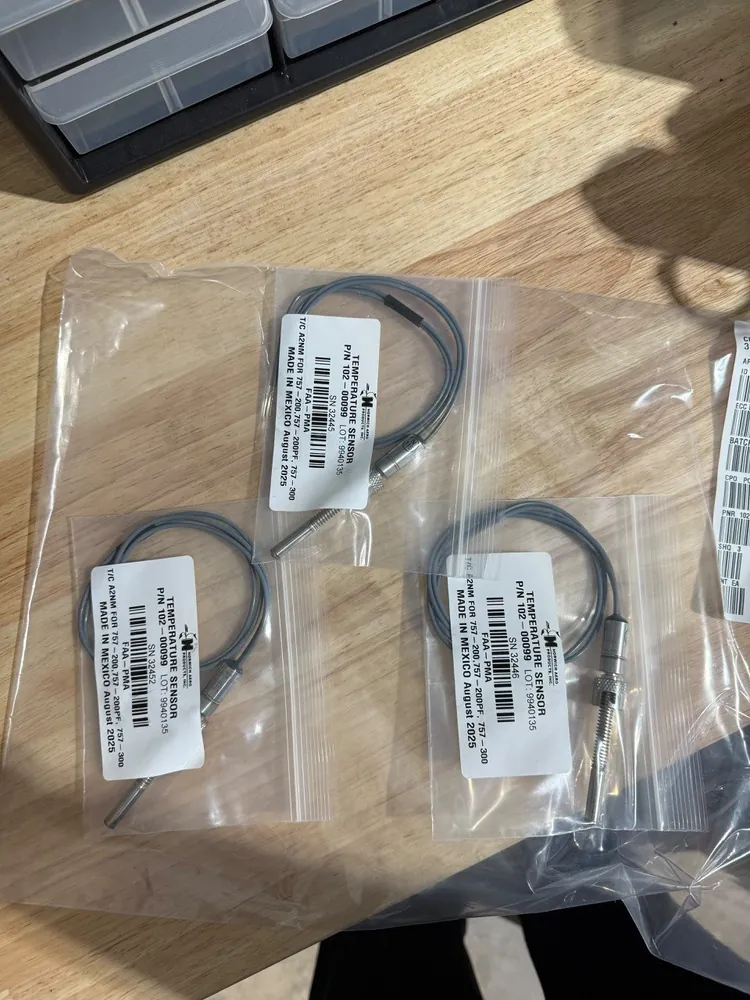
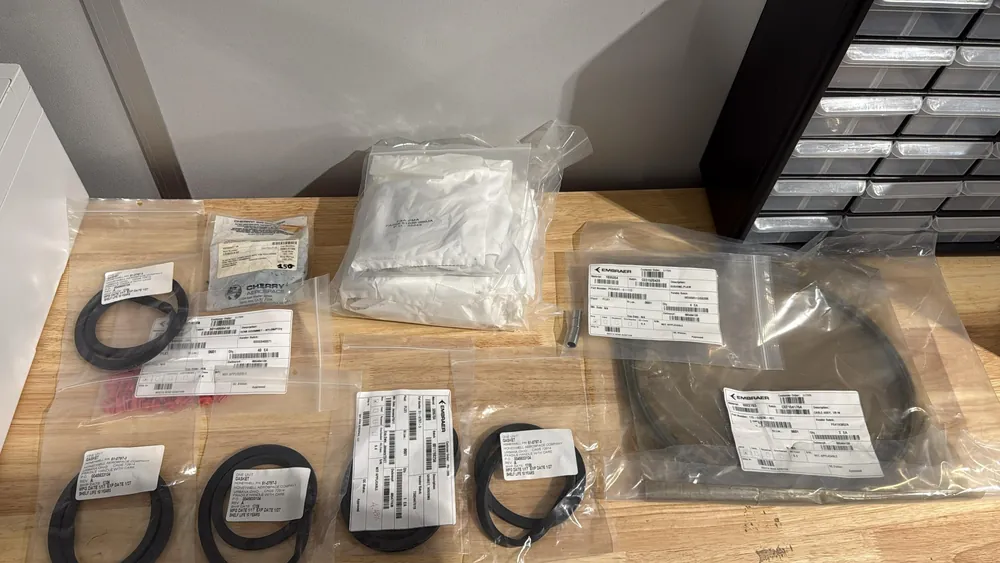
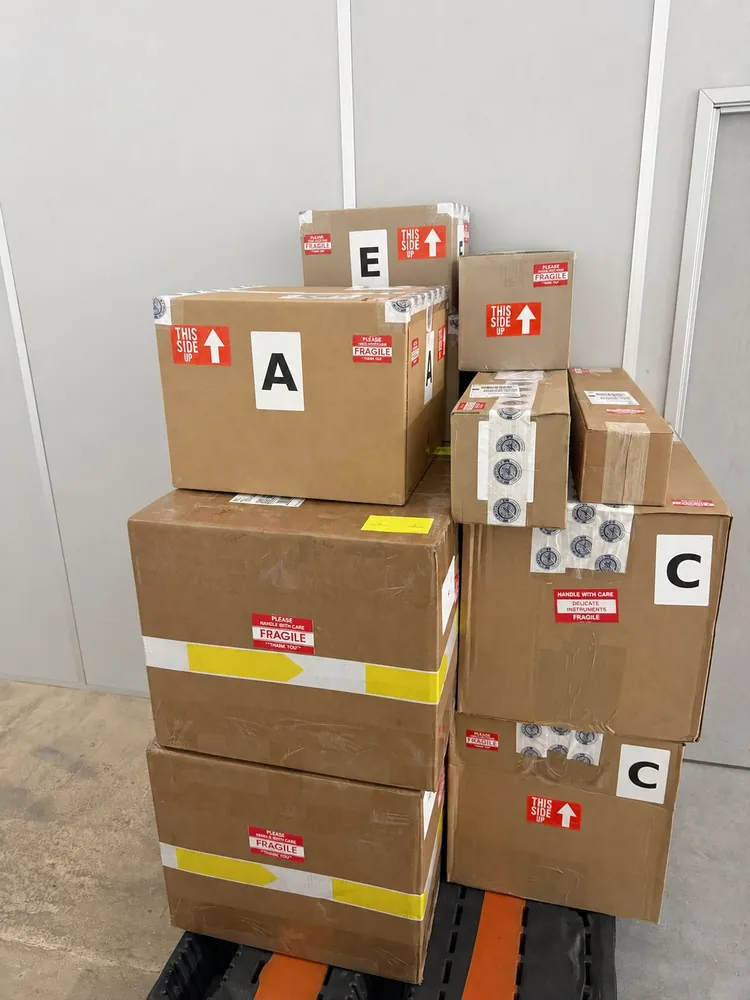
MG AVIATION TECH is a member of the Aviation Suppliers Association (member #21334): type the company name into the ASA member directory and the entry comes up.
Membership is not accreditation, and ASA says so in its own words: it does not require an audit and does not mean a company is accredited to ASA-100. We would rather write that here than let you discover it. The databases that do record an audit are ASA's ASA-100 list, the FAA's AC 00-56 list and the IAQG's OASIS for the AS9100 family — and they are worth checking on every supplier you buy from.
Write to [email protected] in the file you already have, and name the documents the installer needs. Aircraft on ground? Our AOG desk takes it at any hour.